


OBSESSIVE COMPULSIVE DISORDER (OCD) AND HOARDING
In OCD, a person has repeated intrusive or undesirable thoughts – often about fears of contamination, harm, or of a sexual nature – accompanied by compulsions to get rid of the anxiety arising from those thoughts. The exposure and response prevention you’ll learn during treatment will help you learn to keep yourself from performing these compulsive behaviors and will teach you to engage differently with feared thoughts.
A similar disorder to OCD is hoarding disorder, for which in-home visits are a regular part of treatment.
#breakthecycle

SOCIAL ANXIETY
Social anxiety can impair one’s ability to present themselves honestly to the world. Instead of avoiding situations such as talking to strangers or asking your boss for a raise, or gritting your teeth to get through them, we will work to make you someone who can sing a song on the subway without embarrassment or shame.
#noshameatall

PANIC
Panic attacks are severe spikes in fear that reach their peak rapidly, and experiencing them leaves the body in a state of hyper-arousal. The worst part is that these attacks seem to come on at random. Becoming afraid of your own body is a terrifying experience, so your treatment will be reclaiming control over your panic, rather than panic controlling you.
#reclaimyourfear

GENERALIZED ANXIETY
As if we don’t have enough to worry about in today’s fast paced world. What if:
There’s not enough milk at the supermarket…
I trip on the sidewalk from heatstroke...
My husband never comes home today after work…
My phone dies and I need to call someone…
Finances this month can’t cover all the bills…
I lose my job…
My eldest son needs braces in two years.
Our minds are designed to be alert for danger. Through acceptance and mindfulness, we can learn to quiet the inner worries of our minds.
#silenceyourworry
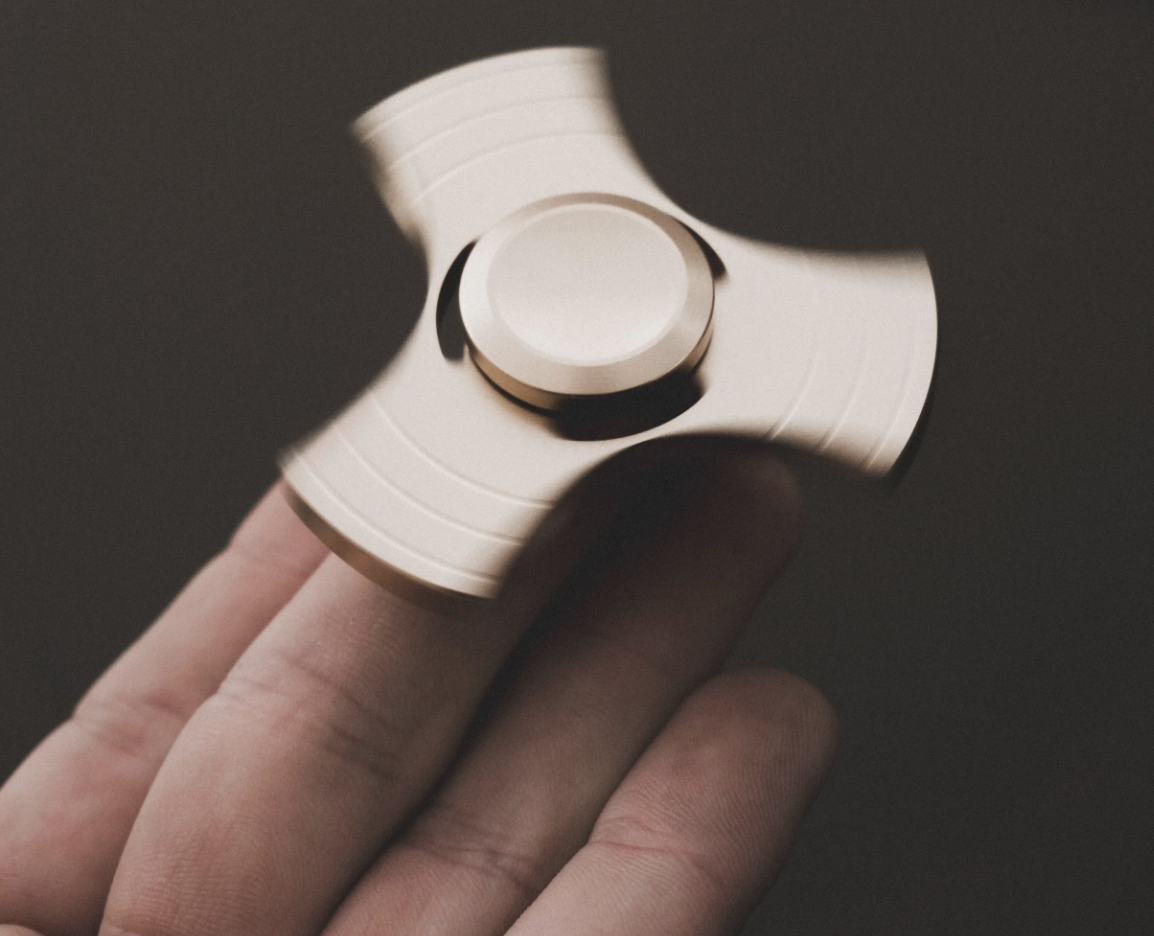
ATTENTION DEFICIT HYPERACTIVITY DISORDER (ADHD)
“Yoni, stop moving…jumping…talking. Sit still…stay in your seat.” I WAS that child in school. Thankfully, I had an amazing teacher who knew how to handle my hyperactivity and allowed me to fidget at my desk to help my concentration.
Treatment for your ADHD will involve increasing your mindfulness skills to combat hyperactivity and impulse control, as well as learning effective time management and other strategies for navigation through the daily planning of life.
#fidgetcubes

SPECIFIC PHOBIAS
Specific phobias are isolated to a single trigger or trigger category, such as certain animals (i.e. dogs), heights, clowns, the ocean, or virtually anything else. Treatment involves gradually approaching the feared trigger, and can be done over several weeks, or sometimes through as few as one or two prolonged sessions.
#puppies4days

DEPRESSION
Depression goes beyond feeling sad or down, and is different from grief or bereavement. It’s associated with difficulty sleeping, changes in appetite, feelings of worthlessness, low motivation, and in severe cases thoughts of death or suicide. If you have depression, we’ll work together on helping you resume engaging in pleasant activities, challenge negative thoughts like “I’m worthless” or “Today is going to be another bad day,” and return to a life worth living.
#bringingbackhope

GRIEF AND LOSS
The loss of a loved one – whether from predictable, natural causes like old age, diseases like cancer or dementia, or unexpected circumstances like murder, car accidents, or suicide – is an immensely difficult experience. We experience a rush of emotions all at once that can easily overwhelm the senses. Navigating through death and loss is a nuanced and complex journey that can last a lifetime.
#youcanmovethrough

BODY FOCUSED REPETITIVE BEHAVIORS (BFRB) AND TIC DISORDERS
BFRBs are disorders of repetitive body-focused movements like hair pulling (trichotillomania), skin picking (excoriation), nail biting, tic disorders such as Tourettes, and others. Your treatment will involve habit reversal training, or learning competing responses to inhibit the occurrence of problematic behaviors.
Note that Autism Spectrum Disorder repetitive behaviors (like self-soothing rocking) do not fall under this category.
#ticsbegone

SUBSTANCE USE AND ADDICTIONS
Addiction takes many forms and is often subtle or hidden. People often use substances to dull or numb some of the pain that comes with life, or use substances to deal with certain emotions. Addictions can be in the form of “soft” or “hard” drugs, alcohol, smoking, video games, eating, pornography, or something unique like Nick’s V-Necks on the show New Girl. Regardless of the addiction, it is best to nip the problem in the bud before severe negative consequences arise, which in the case of harder drugs, can lead to overdose or even death.
#breakyourhabit